

Cold Water Immersion for Mental Health: 2026 Guide
Table of Contents
- How Cold Water Immersion Affects Your Brain and Mood
- Mental Health Benefits of Home Cold Plunge Therapy
- Optimal Cold Plunge Duration for Mental Health
- Cold Water Immersion Safety Guidelines for Home Use
- Cold Showers vs. Full Cold Water Immersion
- Creating Your Home Cold Plunge Setup
- Frequently Asked Questions
Last Updated: October 1, 2026
How Cold Water Immersion Affects Your Brain and Mood
Cold water immersion triggers neurochemical responses that reshape how your brain processes stress and mood, involving fundamental changes in your nervous system's architecture. When you expose your body to cold water, you're training your brain to handle adversity with greater resilience and clarity.
Your sympathetic nervous system activates, flooding your bloodstream with stress hormones that prepare your body for challenge. Over repeated exposures, your parasympathetic nervous system becomes more responsive, allowing faster recovery after stressful events. The benefits of cold water immersion for mental health stem from this neurohormesis: controlled stress that builds capacity.
The Neurochemical Response: Dopamine, Norepinephrine, and Endorphins
Cold exposure triggers dopamine release in your brain's reward pathways and elevates norepinephrine, which sharpens focus and improves mood regulation. This combination explains why people report feeling mentally sharper and more emotionally stable after consistent cold water practice.
Endorphins surge during and after cold immersion, reducing pain perception and creating wellbeing that lasts for hours. Even brief cold showers activate this system meaningfully.
Vagus Nerve Stimulation and Parasympathetic Activation
Cold water immersion stimulates the vagus nerve, triggering the vagal response and strengthening your parasympathetic nervous system. A more responsive vagal system means faster recovery from stress, better emotional regulation, and improved resilience under pressure.
Cold water immersion trains your vagus nerve to toggle between activation and recovery more fluidly. Over time, your baseline stress level drops and your ability to handle acute stressors improves.
Mental Health Benefits of Home Cold Plunge Therapy
Installing a cold plunge at home enables daily cold water immersion for mental health as a controlled ritual. Consistency matters more than intensity; regular, manageable exposures build neurological changes that sporadic extreme sessions cannot match.

Anxiety Reduction and Mood Stabilization
Cold water immersion reduces anxiety by habituating your nervous system to discomfort and recalibrating threat assessment. The neurochemical shifts, increased dopamine and norepinephrine, stabilized cortisol, directly counter anxiety's biochemistry.
People practicing regular cold water immersion for mental health report lower baseline anxiety and improved emotional resilience within weeks of consistent practice.
Stress Resilience and Psychological Adaptation
Stress resilience is your nervous system's capacity to encounter a stressor, activate appropriately, and return to baseline. Cold water immersion trains this capacity through repeated controlled stress that embeds learning at a neurological level.
People who practice cold water immersion for mental health often notice improved resilience in other areas: work stress feels less overwhelming, conflicts trigger less reactivity, and uncertainty produces less anxiety.
Optimal Cold Plunge Duration for Mental Health
The ideal duration for cold water immersion mental health benefits varies based on your baseline mental health status, medications, and acclimatization level. Effectiveness depends on consistent, manageable exposure you can sustain as a habit.
Temperature, Timing, and Acclimatization
Most research on cold water immersion mental health benefits clusters around 50-59°F (10-15°C) for 2-5 minutes. This range triggers the neurochemical cascade without excessive injury risk or psychological aversion. Your All-In-One cold plunge from Spirit of Willow cools to 33F, giving precise temperature control based on your acclimatization level.
Individualized Starting Protocols Based on Mental Health Profile
Your baseline mental health status should determine your entry point, not arbitrary "beginner" recommendations.
-
If you have generalized anxiety disorder or panic disorder: Start at 58-60°F for 30-45 seconds. The warmer temperature reduces the intensity of the cold shock response, which can trigger panic in people with heightened threat sensitivity. Extend duration by 15 seconds weekly rather than dropping temperature. After 4 weeks at this pace, you can begin lowering temperature by 1-2°F weekly. This slower progression prevents the nervous system from interpreting cold immersion as a threat.
-
If you have depression with low arousal or anhedonia: Start at 50-52°F for 60-90 seconds. The colder temperature and longer duration provide stronger dopamine and norepinephrine stimulation, which is therapeutic for depression's neurochemical profile (low catecholamine activity). You can progress faster here, adding 30 seconds weekly or dropping 2°F weekly, because the goal is stronger neurochemical activation, not anxiety management.
-
If you have PTSD or trauma history: Start at 55-58°F for 45-60 seconds in a controlled, familiar environment (your own home, not a gym or public facility). The warmer temperature and shorter duration reduce the intensity of the cold shock response, which can trigger flashbacks or dissociation in trauma-sensitive nervous systems. Have a trusted person present for your first 3-5 sessions. Progress very gradually, and if you experience dissociation or intrusive memories during or after immersion, pause practice and consult a trauma-informed therapist before resuming.
-
If you have bipolar disorder: Consult your psychiatrist before starting. Cold immersion's sympathetic activation can theoretically trigger manic or hypomanic episodes in susceptible individuals, though clinical reports are rare. If cleared, start conservatively at 54-56°F for 60 seconds, and track mood closely for the first 2 weeks. Many people with bipolar disorder tolerate and benefit from cold immersion, but individual variation is high.
Progression Pace and Plateau Recognition
After your initial 4-week acclimatization phase, progression should slow. Most practitioners find that 2-3 minute immersions at 50-52°F produce optimal mental health benefits. A common plateau occurs around week 6-8 when your nervous system has habituated. At this point, maintain your current protocol rather than chasing intensity. Consistency matters more than progression.
Timing Within Your Day
Morning immersion energizes and improves focus for 4-6 hours, ideal if you struggle with depression or low motivation. Evening practice should occur at least 2-3 hours before sleep to avoid sleep interference. Avoid immersion within 1 hour of stimulant medications to prevent heart palpitations or anxiety.
Post-Immersion Recovery and Afterdrop Management for Mental Health
Afterdrop, the continued drop in core body temperature after exiting cold water, requires careful management. Your body temperature continues falling for 10-30 minutes as peripheral blood vessels constrict and dilate. The afterdrop phase is when significant parasympathetic activation occurs and mental health benefits consolidate. Rushing this phase with intense heat can short-circuit the adaptation.
Best Practices for Managing Afterdrop
-
Gradual rewarming. Dry off and put on warm, dry clothing immediately. Avoid hot showers for 30-45 minutes; rapid temperature shifts stress your cardiovascular system.
-
Gentle movement. Light walking or stretching accelerates rewarming and smooths the transition to parasympathetic dominance.
-
Warm beverages. Herbal tea or warm water with lemon supports gradual rewarming. Avoid caffeine immediately post-immersion.
-
Sit in a warm space. Allow 15-20 minutes for natural rewarming in sunlight or a warm room.
-
Mood monitoring. Some experience brief mood dips during afterdrop (10-20 minutes), a temporary neurochemical fluctuation that resolves within 30 minutes.
Afterdrop and Medication Interactions
If you're taking blood pressure medications, the afterdrop phase may cause a temporary drop in blood pressure as your body recovers.
Cold Water Immersion Safety Guidelines for Home Use
Safety is foundational. Cold water immersion for mental health only works if it's sustainable, and it's only sustainable if you approach it intelligently and respect your body's signals.
Who Should Avoid Cold Immersion
People with uncontrolled hypertension, active cardiovascular disease, or heart attack history should not practice cold immersion without medical clearance. Individuals with severe anxiety disorders or trauma histories may find cold immersion triggers panic rather than resilience. Pregnancy also warrants caution, as cold immersion's effects haven't been thoroughly studied in pregnant populations.
Building Your Personal Protocol
Start conservatively: 30-60 second exposures at the warmest challenging temperature, extending by 30 seconds weekly. Create consistency through morning routine. Track energy levels, anxiety, mood, and sleep quality; most people notice improvements within 2-3 weeks. Exit immediately if you feel dizzy, chest pain, or uncontrollable gasping beyond the initial 30-second cold shock response.
| Safety Element | Guideline | Reason |
|---|---|---|
| Starting temperature | 50-59°F for beginners | Cold enough to trigger benefits, warm enough for safety |
| Starting duration | 30-60 seconds | Builds tolerance without overwhelming nervous system |
| Progression pace | Add 30 seconds weekly or drop 2°F weekly | Gradual adaptation prevents injury and psychological aversion |
| Frequency | 3-5 times per week | Allows recovery while building consistency |
| Time of day | Morning preferred | Avoids sleep interference from sympathetic activation |
| Post-immersion rewarming | Gradual, natural | Prevents cardiovascular stress from rapid temperature shift |
| Medical clearance | Required if hypertension, heart disease, or anxiety disorder | These conditions increase cardiovascular and psychological risk |
Cold Showers vs. Full Cold Water Immersion
Cold showers are accessible and trigger some neurochemical benefits, but they're fundamentally different from cold water immersion for mental health purposes. A cold shower exposes primarily your skin and upper body to cold, creating a localized stress response. Full immersion submerges your torso and triggers a more systemic response, deeper cold penetration, stronger vagal stimulation, more pronounced neurochemical cascades.
Creating Your Home Cold Plunge Setup
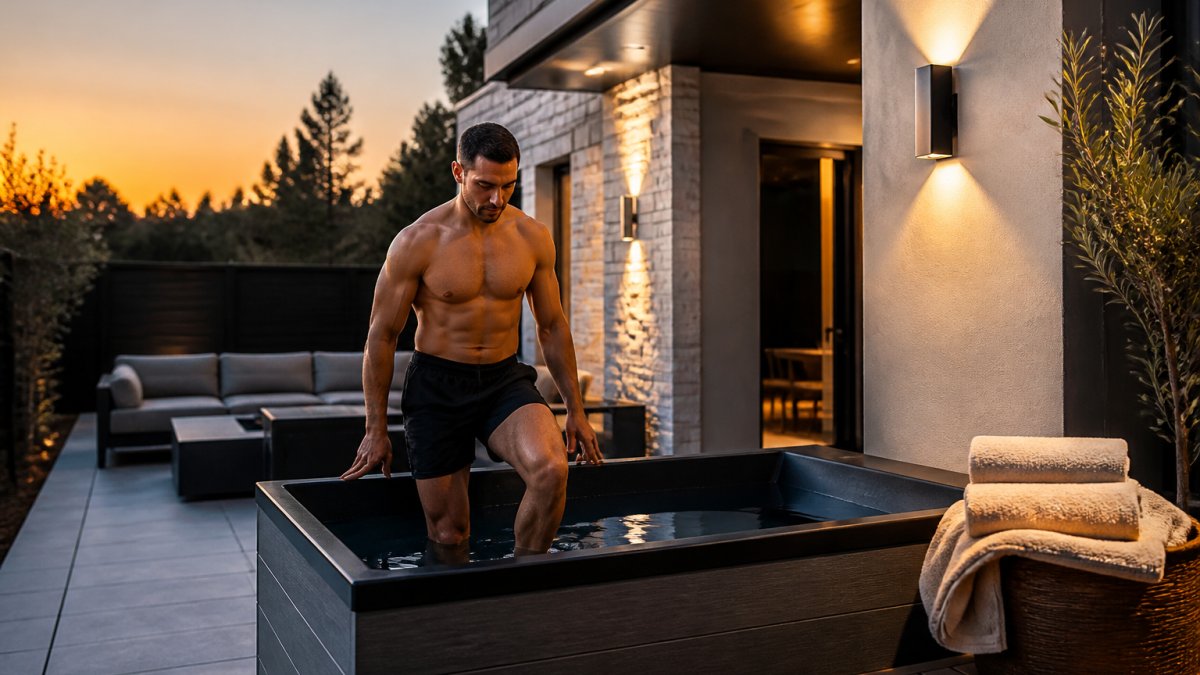
A dedicated cold plunge transforms cold water immersion from an occasional practice into a sustainable daily habit. The convenience and consistency possible with home setup dramatically improve long-term adherence and mental health outcomes.
Frequently Asked Questions
Are cold plunges scientifically proven to help with mental health?
Yes. Cold water immersion triggers the release of norepinephrine and dopamine, neurochemicals linked to mood improvement, focus, and stress resilience. Regular exposure activates the parasympathetic nervous system, reducing anxiety and promoting emotional regulation. Research shows that consistent cold water immersion builds neurohormesis, the body's adaptive response to controlled stress, strengthening your ability to handle psychological pressure over time.
What is the optimal cold plunge duration for mental health benefits?
Start with 1-3 minutes at 50-59°F and gradually build as your body acclimates. Mental health benefits appear within this range without triggering excessive cold shock response. Duration matters less than consistency; three sessions per week at 2-3 minutes delivers better results than sporadic longer immersions. Monitor your individual response and adjust based on how you feel post-immersion.
Who should not do cold water immersion?
Avoid cold immersion if you have uncontrolled hypertension, active heart disease, recent cardiac events, or severe anxiety disorders. Pregnant individuals, people taking certain medications, or those with Raynaud's disease should consult a healthcare provider first. Cold water immersion can temporarily raise cortisol; those managing cortisol-sensitive conditions should approach cautiously and monitor stress levels carefully.
What happens during the cold shock response and afterdrop?
The cold shock response occurs in the first 30 seconds, your breathing quickens, heart rate rises, and blood vessels constrict. Afterdrop happens after you exit: your core temperature continues dropping as peripheral blood returns to the center. Manage afterdrop by gradually warming up, wearing dry clothes immediately, and staying hydrated. Understanding these phases helps you stay safe and builds psychological resilience through controlled exposure.