

How to Maintain Your Outdoor Sauna Wood
Table of Contents
- Why Outdoor Sauna Wood Maintenance Matters
- Regular Interior Cleaning and Wiping
- How to Treat Exterior Sauna Wood
- Sauna Stone Inspection and Replacement
- Best Sauna Wood Cleaner and Solutions
- Sauna Wood Maintenance Schedule
- Troubleshooting Mold, Mildew, and Wood Damage
- Eco-Friendly Sealants and Sustainable Maintenance
- Frequently Asked Questions
Last Updated: September 20, 2026
Why Outdoor Sauna Wood Maintenance Matters
Outdoor saunas face relentless exposure to moisture, temperature swings, and UV rays. Without proper care, even premium wood deteriorates quickly. The wood grain darkens, protective finishes crack, and structural integrity suffers. This guide from Spirit of Willow covers how to maintain your outdoor sauna wood so it stays beautiful and functional for decades.
Regular maintenance isn't optional, it's the difference between a sauna that lasts 5 years and one that lasts 25. Wood left untreated will develop mold, mildew, and rot. The cost of prevention is a fraction of the cost of replacement. Most homeowners underestimate how much damage happens in the off-season, when moisture accumulates inside the wood fibers.
The good news: maintaining your outdoor sauna wood doesn't require specialized equipment or professional help. A consistent routine catches problems early, keeps the wood looking rich and warm, and protects your investment in one of the most luxurious additions to any home.
Regular Interior Cleaning and Wiping
Daily and Weekly Cleaning Steps
The interior of your sauna accumulates sweat, mineral deposits, and dust with every use. Daily wiping prevents buildup that hardens and becomes difficult to remove later.
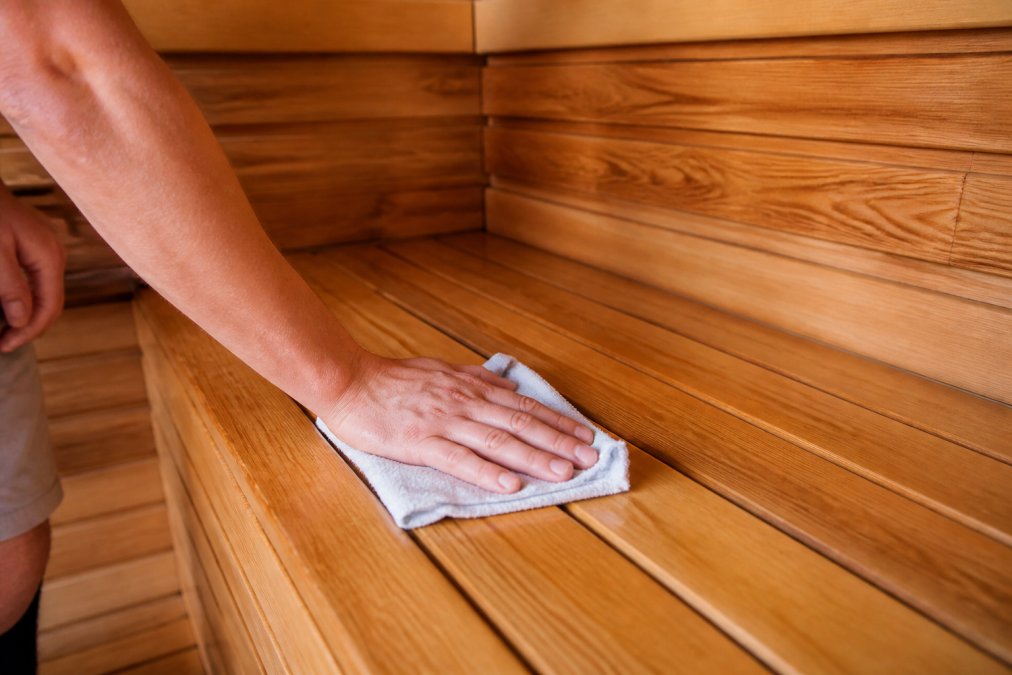
After each session, use a damp cloth to wipe down all sauna benches and interior surfaces. This simple step removes fresh sweat and salt before they dry into the wood. Let the sauna air dry completely, never close the door while moisture lingers. Weekly, do a deeper wipe using distilled white vinegar mixed with water in a 1:1 ratio. This natural cleaning agent cuts through mineral deposits without harsh chemicals.
Pay special attention to the corners and seams where water pools. These areas are prone to mold growth and require extra attention. A soft-bristled brush works well for textured surfaces. Never use abrasive scrubbers that scratch or splinter the wood grain.
Deep Cleaning Solutions
Monthly deep cleaning prevents the buildup that leads to mold and mildew. Mix baking soda with a small amount of water to create a paste. Apply it to stubborn stains, let it sit for 10 minutes, then scrub gently with a soft brush. Rinse thoroughly with clean water and allow complete drying.
For mineral deposits from hard water, distilled white vinegar is your best ally. Spray it directly on affected areas, let it sit briefly, and wipe clean. The acidity breaks down mineral buildup without damaging the wood. If you notice any early signs of discoloration or soft spots, address them immediately, waiting makes the problem exponentially worse.
Never use bleach or commercial cleaners on sauna wood. These chemicals penetrate the grain, damage the wood's natural integrity, and create off-gassing that's unpleasant during use. Stick with natural solutions: distilled white vinegar, baking soda, and water.
How to Treat Exterior Sauna Wood
Wood Sealant Application
The exterior of your sauna bears the brunt of weather. A quality wood sealant is your primary defense against moisture penetration and UV damage. Choose a sealant designed specifically for exterior wood, preferably water-based to minimize off-gassing and environmental impact.
Before applying sealant, clean the exterior thoroughly and let it dry completely. Moisture trapped under sealant will cause problems. Apply sealant with a brush or roller in thin, even coats. Follow the manufacturer's instructions for drying time between coats, usually 24 hours. Most exterior saunas need resealing every 2-3 years, depending on climate and sun exposure.
Pay extra attention to end grain and joints, where wood absorbs moisture most readily. These areas need heavier sealant coverage. If your sauna has a roof overhang, the shaded side weathers differently than the sunny side, inspect both carefully during seasonal maintenance.
Paraffin Oil and Protective Finishes
Paraffin oil provides a traditional protective finish that enhances the wood's natural appearance while repelling water. Apply it after sealing for an extra layer of protection. Use a cloth to rub paraffin oil into the wood, following the grain direction. This finish needs reapplication annually or when the wood begins to look dull.
Some homeowners prefer water-based stains over sealants. These products color the wood while allowing it to breathe slightly, reducing the risk of moisture trapping. The trade-off is that stains require more frequent reapplication than sealants. Cedar and hemlock, common sauna woods, take stain beautifully and develop a rich patina over time.
Never apply oil-based finishes over water-based sealants, or vice versa. The two don't bond properly. Pick one system and stick with it for consistency.
Sauna Stone Inspection and Replacement
Sauna stones degrade over time from thermal stress and moisture. Inspect them monthly for cracks, spalling (flaking), or loose pieces. Cracked stones reduce heat distribution and can release harmful particles into the air. Replace any stone showing significant damage.
When replacing stones, remove the old ones carefully, they're extremely hot after use. Let them cool completely before handling. New stones should be heat-treated to prevent cracking under thermal stress. Arrange them loosely so water and steam circulate freely. Tightly packed stones trap moisture and promote rot in the surrounding wood structure.
The quality of your sauna stones directly impacts how well your sauna performs and how long it lasts.
Best Sauna Wood Cleaner and Solutions
Natural Cleaning Agents
Distilled white vinegar is the gold standard for sauna maintenance. Its acidity dissolves mineral deposits without harsh chemicals. Mix it 1:1 with water for regular cleaning, or use it straight for stubborn stains. The smell dissipates quickly as the sauna dries.
Pressure Washing Guidelines
Pressure washing can clean exterior wood quickly, but it's risky if done incorrectly. High pressure damages the wood grain and forces water into the wood fibers, causing swelling and rot. If you use a pressure washer, keep it on the lowest setting, below 1,500 PSI, and maintain distance from the surface.
Sauna Wood Maintenance Schedule
Monthly and Seasonal Tasks
| Task | Frequency | Duration | Notes |
|---|---|---|---|
| Wipe interior surfaces | Daily/Weekly | 5-10 min | Use damp cloth, allow drying |
| Deep clean with vinegar | Monthly | 20-30 min | 1:1 vinegar-water ratio |
| Inspect for damage | Monthly | 10-15 min | Check benches, stones, seals |
| Inspect exterior | Quarterly | 15-20 min | Look for cracks, discoloration |
| Reapply paraffin oil | Annually | 30-45 min | Follow wood grain direction |
| Reseal exterior | Every 2-3 years | 2-4 hours | Depends on climate, sun exposure |
Spring is the ideal time for deep exterior cleaning and inspection. Winter moisture may have caused damage that needs attention before the warm season. Summer heat accelerates wood deterioration, so address any issues found in spring before they worsen.
Annual Inspection Checklist
- Check all sauna benches for soft spots or rot
- Inspect wood grain for deep cracks or splintering
- Test sealant by pouring water on exterior, it should bead up, not absorb
- Look for mold or mildew in corners and seams
- Verify all stones are intact and properly positioned
- Check door seals and hinges for corrosion
- Inspect roof overhang and drainage
- Test ventilation, air should flow freely without moisture buildup
- Look for pest damage or wood-boring insect activity
- Assess overall wood color and finish condition
Document your findings each year. This record helps you spot patterns, like one side deteriorating faster due to sun exposure, and adjust your maintenance accordingly.
Troubleshooting Mold, Mildew, and Wood Damage
Identifying and Treating Mold Growth
Mold appears as dark spots or fuzzy growth, usually in corners or under benches where moisture collects. It's not just unsightly, mold spores are a health risk, especially in a heated environment where they become airborne. Early detection prevents serious problems.
Addressing Wood Rot and Structural Issues
Wood rot is wood that has begun to decompose from moisture and fungal growth. It feels soft, looks darker than surrounding wood, and may have a musty smell. Small areas can be treated, but extensive rot requires professional assessment or wood replacement.
Eco-Friendly Sealants and Sustainable Maintenance
Water-based sealants are better for the environment and your health than oil-based alternatives. They have lower VOC (volatile organic compound) emissions, dry faster, and clean up with water. Performance is comparable to oil-based products when applied correctly.
Frequently Asked Questions
What is the best oil to use on sauna wood?
Paraffin oil is the traditional choice for sauna wood, applied to benches and exterior surfaces to protect against moisture and enhance the wood grain. For exterior sauna wood, use food-grade mineral oil or specialized sauna wood oils that won't off-gas in high heat. Always apply thin coats and allow proper drying time between applications. Avoid linseed oil or other drying oils that can become sticky in sauna heat.
Should I seal the exterior of my outdoor sauna?
Yes, sealing the exterior is essential for outdoor sauna wood maintenance. A quality water-based wood sealant protects against rain, UV damage, and moisture penetration that causes rot and structural damage. Reapply sealant every 1-2 years depending on weather exposure and the product used. Look for sealants specifically designed for exterior wood that allow the wood to breathe while preventing water damage.
How often should I clean the interior of my sauna?
Wipe down benches and walls with a damp cloth after each use to remove sweat and moisture. Deep clean the interior monthly using distilled white vinegar and water solution (1:1 ratio) to disinfect and prevent mold growth. Inspect sauna stones weekly and replace any cracked or damaged stones to maintain even heat distribution and sauna safety during operation.
Can I use pressure washers on outdoor sauna wood?
Use low-pressure washing only, never high-pressure equipment that damages wood fibers and accelerates deterioration. Keep pressure below 1,500 PSI and maintain a 12-inch distance from the wood surface. Use soft-bristle brushes with gentle cleaning solutions instead of pressure washing whenever possible. High-pressure methods can strip protective sealants and create splintering that compromises the wood's integrity.
Maintaining your outdoor sauna wood requires consistency, but the effort pays dividends in longevity and performance. A sauna that receives regular care becomes more beautiful with age, developing a rich patina that reflects your investment in home wellness. Start with daily wiping, add monthly deep cleaning, and commit to annual inspections. Your sauna will reward you with decades of reliable, luxurious relaxation.