

Home Sauna Alternatives Without Electricity
Table of Contents
- Why Choose a Sauna Without Electricity
- Wood-Burning Sauna Stoves and Hot Tubs
- Portable Steam Sauna Chairs and Tents
- How Long to Stay in a Sauna for Safety and Wellness
- Sauna Health Benefits and Safety Protocols
- Off-Grid Sauna Construction and Materials
- Essential Accessories for Non-Electric Saunas
- Frequently Asked Questions
Last Updated: October 3, 2026
Why Choose a Sauna Without Electricity
Home sauna alternatives without electricity offer a compelling solution for homeowners seeking wellness benefits without grid dependence or complex wiring. These systems use time-tested heating methods, wood-burning stoves, passive thermal design, and portable steam technology, to deliver authentic sauna experiences in any setting.
At Spirit of Willow, we recognize that home sauna alternatives without electricity matter because not every home has the infrastructure for electrical sauna installation. Off-grid properties, remote cabins, and homeowners who prefer minimal electrical systems increasingly turn to non-electric alternatives. The appeal goes beyond practicality. Wood-fired and passive systems create a ritual-focused experience that many find more grounding than push-button convenience.
The core advantage is independence. No electricity means no utility bills tied to sauna use, no circuit breaker concerns, and no reliance on grid availability. For homeowners in rural areas or those building sustainable retreats, this matters significantly.
Wood-Burning Sauna Stoves and Hot Tubs
How Wood-Fired Systems Work
Wood-burning sauna stoves operate on direct combustion. Wood fuel heats a stove chamber, which transfers thermal energy to water or air inside an insulated enclosure. The external stove design keeps the fire source separate from the bathing space, improving safety and airflow.
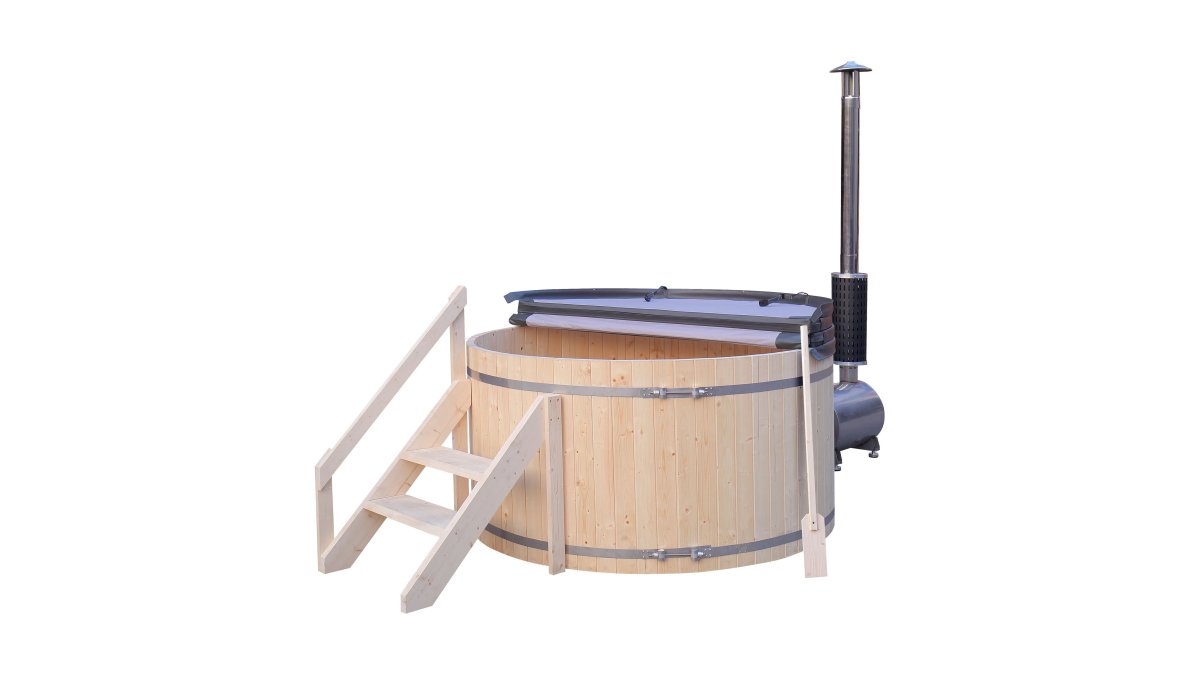
The PEWSHTUB Pine Hot Tub with Wood-Fired Heater exemplifies this approach. Its external stove provides straightforward access for adding wood and cleaning ash. Fill the tub with water, load the firebox with wood, and thermal transfer begins immediately. The system requires no pumps, filtration, or electrical components, just water, wood, and heat.

Stainless steel construction resists rust and corrosion from constant moisture exposure. The included chimney channels combustion gases safely upward, preventing smoke accumulation inside the bathing area.
Installation and Maintenance
Wood-burning systems demand minimal installation compared to electrical alternatives. The PEWSHTUB model assembles in approximately one hour with basic tools. No electrician, no permits for electrical work, no complex plumbing.
Maintenance centers on three tasks: wood storage, ash removal, and seasonal inspection. Store firewood in a dry location, wet wood produces excessive smoke and requires longer heating times. After each use, remove accumulated ash from the firebox. This takes minutes and keeps the stove operating efficiently.
Inspect the chimney annually for blockages or creosote buildup, especially in cold climates where condensation can accumulate. The stainless steel components resist degradation, but checking connections and seals ensures consistent performance season after season.
Portable Steam Sauna Chairs and Tents
Portable steam saunas represent an accessible non-electric alternative for space-constrained homes. These compact systems use a small steam generator powered by standard outlets, or, in some designs, rely on passive heat collection without electricity.
The Bamboo Sauna Chair offers a different approach entirely. This foldable seating solution works with portable steam enclosures or standalone. Made from 100% natural bamboo with a waterproof, slatted design, it drains moisture and dissipates heat effectively. The foldable form stores in a closet when not in use, taking up minimal space.

At just 11.4 by 11 by 12.2 inches when assembled and only 1.7 inches thick when folded, this chair suits apartments, small patios, and guest rooms. The curved seat and drainage design prevent water pooling. Maintenance is straightforward: dry after use, store in a ventilated area, and expose to sunlight regularly to prevent mold.
These portable options work well for individuals or couples seeking occasional sauna sessions without permanent installation. They're also ideal for renters or homeowners testing whether regular sauna use fits their wellness routine before investing in a permanent structure.
How Long to Stay in a Sauna for Safety and Wellness
Session duration shapes both safety and benefit. The key is listening to physical signals: if you feel dizzy, nauseous, or excessively fatigued, exit immediately.
Rest between sessions prevents dehydration and allows heart rate to normalize. Drink water before, during, and after sauna use.
Sauna Health Benefits and Safety Protocols
Health Benefits of Regular Sauna Use
Regular sauna use supports several wellness markers when practiced consistently. Many users report improved sleep quality after sauna sessions, likely due to the relaxation response and post-sauna temperature drop that mimics natural sleep onset conditions.
Detoxification claims circulate widely in sauna marketing, but evidence is mixed. Sweat does expel some compounds, though the kidneys and liver handle the majority of detoxification work. That said, the relaxation and stress-reduction benefits are well-documented and contribute meaningfully to overall wellness.
Non-Electric Sauna Safety Considerations
Wood-burning systems require specific safety measures. Ensure adequate ventilation to prevent carbon monoxide accumulation. The chimney must draw properly. Never run a wood-burning sauna in an enclosed space without proper airflow.
Keep flammable materials at least three feet from the external stove. Wood, fabric, and dry vegetation ignite easily near active heat sources. Store firewood away from the sauna structure itself.
Monitor water temperature with a reliable thermometer. Scalding risk increases with high temperatures. The Sauna Bucket and Ladle Set with Thermo-Hygrometer includes a 2-in-1 gauge showing both temperature and humidity, helping you maintain safe, comfortable conditions.

Individuals with cardiovascular conditions, uncontrolled hypertension, or pregnancy should consult healthcare providers before regular sauna use. Heat stress affects the body significantly, and medical clearance ensures safety.
Off-Grid Sauna Construction and Materials
Cedar and Hemlock: The Best Woods for Sauna Interiors
Wood selection defines sauna durability and experience. Cedar and hemlock are traditional choices for sauna interiors, and for good reason.
PEWSHTUB Pine Hot Tub and Ice Bath 4-5 Person with Wood-Fired Heater →
Cedar resists rot naturally due to its oils and grain structure. It withstands constant moisture exposure without deteriorating quickly. The wood also produces a pleasant aroma when heated, many users describe it as grounding and therapeutic. Red cedar, particularly Canadian red cedar, offers superior durability compared to other softwoods.
Hemlock performs similarly, offering good rot resistance and thermal properties. It's slightly less aromatic than cedar but more economical. Both woods have low thermal conductivity, meaning they don't conduct heat to skin as readily as denser hardwoods, a safety advantage in a sauna environment.
The Red Cedar Large Sauna Bucket with Ladle demonstrates cedar's appeal. Hand-carved from high-quality cedar, it holds 6 liters of water and includes a 15-inch ladle for pouring water over hot stones. The waterproof plastic liner protects the wood while preserving the aesthetic and aroma. The included felt sauna hat and seat pad add comfort and heat retention during sessions.
Avoid pressure-treated lumber or exotic hardwoods. Treated wood releases toxic compounds under heat. Hardwoods like oak conduct heat too aggressively and can cause discomfort.
Thermal Insulation and Heat Retention
Insulation quality determines heating efficiency and session comfort. Proper insulation reduces the wood volume needed to reach and maintain sauna temperature, lowering operating costs and environmental impact.
Fiberglass batts, mineral wool, or rigid foam boards work well in sauna construction. Install insulation between the outer walls and inner cedar cladding. Vapor barriers prevent moisture from migrating into insulation, which degrades its thermal performance.
The ceiling requires particular attention, heat rises, so ceiling insulation should exceed wall specifications. Many builders use double-layer insulation in ceiling sections.
Sealing air leaks matters as much as adding insulation. Weatherstripping around doors, caulking gaps, and ensuring the roof is airtight prevents heated air from escaping. A well-sealed, well-insulated sauna reaches temperature faster and maintains it longer with less fuel consumption.
The PEWSHTUB Hot Tub's pine wood construction combined with proper surround insulation creates an efficient thermal system. Pine naturally resists rot and provides decent insulation value. Wrapping the tub with additional insulation further improves heat retention.
Essential Accessories for Non-Electric Saunas
Quality accessories enhance safety, comfort, and longevity. Spirit of Willow offers several purpose-designed pieces that work seamlessly with non-electric systems.
Sauna buckets and ladles are non-negotiable. The Sauna Bucket and Ladle Set with 5 Pieces includes a 4-liter cedar bucket, ladle, thermometer-hygrometer combination, and sand timer. The 2-in-1 gauge displays temperature from 10 to 120 degrees Celsius and humidity from 0 to 100 percent, letting you monitor conditions precisely. The 15-minute hourglass helps manage session duration without relying on a phone or external timer.
Backrests and headrests improve comfort during extended sessions. The Non-Toxic Cedar Sauna Backrest features ergonomic support with anti-slip rubber pads. It includes a felt sauna hat and seat pad, both of which retain heat and protect skin from direct contact with hot surfaces.
The Sauna Backrest with Adjustable Neck Pillow adds cervical support, particularly valuable for users with neck tension or those spending longer periods in the sauna. The flexible bamboo bars conform to the body's natural curves, and the adjustable height accommodates different body types.
For those seeking luxury additions, the Sauna Accessories Kit with 6 Pieces combines a cedar bucket, ladle, thermometer-hygrometer, sand timer, natural-bristle brush, and exfoliating volcanic stone. The brush and stone support pre- and post-sauna skin care rituals, making the kit ideal for wellness-focused users.
| Accessory | Material | Primary Use | Best For |
|---|---|---|---|
| Cedar Bucket & Ladle | Red cedar with plastic liner | Water pouring, steam generation | All sauna types |
| Thermometer-Hygrometer | Metal & glass | Temperature & humidity monitoring | Safety & comfort |
| Sand Timer | Pine wood & glass | Session timing | Preventing overexposure |
| Sauna Backrest | Cedar or bamboo | Lumbar support | Extended sessions |
| Sauna Hat | Felt wool | Heat retention, head protection | All users |
| Headrest | Pine wood | Neck support | Relaxation & recovery |
Creating a home sauna without electricity transforms your outdoor space into a genuine wellness retreat. Whether you choose a wood-burning hot tub, a portable steam chair, or a custom off-grid structure, the foundation remains the same: quality materials, proper insulation, and thoughtful accessory selection.
Spirit of Willow curates products specifically designed for non-electric sauna experiences. The PEWSHTUB Pine Hot Tub with Wood-Fired Heater delivers authentic thermal therapy without grid dependence. Pair it with our cedar buckets, backrests, and monitoring accessories to create a complete, low-maintenance sauna environment that serves your wellness goals for years.
Continue shopping to explore our full collection of sauna accessories and discover how to elevate your home into a personal retreat.
Frequently Asked Questions
Can you have a sauna without electricity?
Yes, absolutely. Wood-burning sauna stoves, portable steam saunas, and traditional barrel designs all operate without electricity. Wood-fired systems heat water through direct flame contact, while some portable options use passive steam generation. The PEWSHTUB Pine Hot Tub with Wood-Fired Heater requires only wood fuel and reaches usable temperatures within a couple of hours, making it a fully functional sauna without any electrical connection.
What are the best wood-burning sauna stoves for home use?
Wood-burning sauna stoves should feature stainless steel construction for corrosion resistance and durability. The external stove design allows easy access for adding wood and maintenance. Stainless steel chimneys with proper ventilation ensure safe operation and efficient heat transfer.
How long should you stay in a sauna for health benefits?
Session duration depends on ambient temperature, humidity levels, and personal tolerance. Always monitor how your body responds and exit if you feel dizzy or uncomfortable. Using a sauna timer helps track your time and ensures safe, consistent sessions.
What are the main health benefits and safety concerns with non-electric saunas?
Sauna use promotes relaxation, improves circulation, and reduces stress. However, non-electric saunas require careful monitoring of temperature and ventilation. Ensure proper airflow to prevent carbon monoxide buildup from wood-burning stoves. Stay hydrated, avoid alcohol before sessions, and consult a doctor if you have heart conditions or high blood pressure.
What materials work best for sauna interiors and heat retention?
Cedar and hemlock are excellent choices for sauna interiors due to their natural resistance to rot, low thermal conductivity, and pleasant aroma. These woods provide excellent heat retention and durability in high-moisture environments. Proper thermal insulation around the sauna structure minimizes heat loss and reduces the fuel needed to maintain temperature. Ventilation systems should allow moisture to escape.