

Is Daily Cold Plunging Worth It for Recovery?
Table of Contents
- What Cold Plunging Actually Does to Your Body
- The Recovery Debate: Does Daily Cold Plunging Help or Hurt?
- Optimal Cold Plunge Duration for Your Goals
- Cold Plunge Safety Guidelines You Need to Know
- Cold Plunge Frequency for Muscle Growth Without Sabotage
- Building Your Personal Cold Plunging Protocol
- Frequently Asked Questions
Last Updated: September 19, 2026
What Cold Plunging Actually Does to Your Body
Cold plunging involves immersing your body in water temperatures typically between 33°F and 55°F for short durations. When you submerge yourself in cold water, your body initiates what's called the cold shock response, an immediate physiological cascade that includes rapid breathing, increased heart rate, and vasoconstriction, where blood vessels narrow to preserve core body temperature.
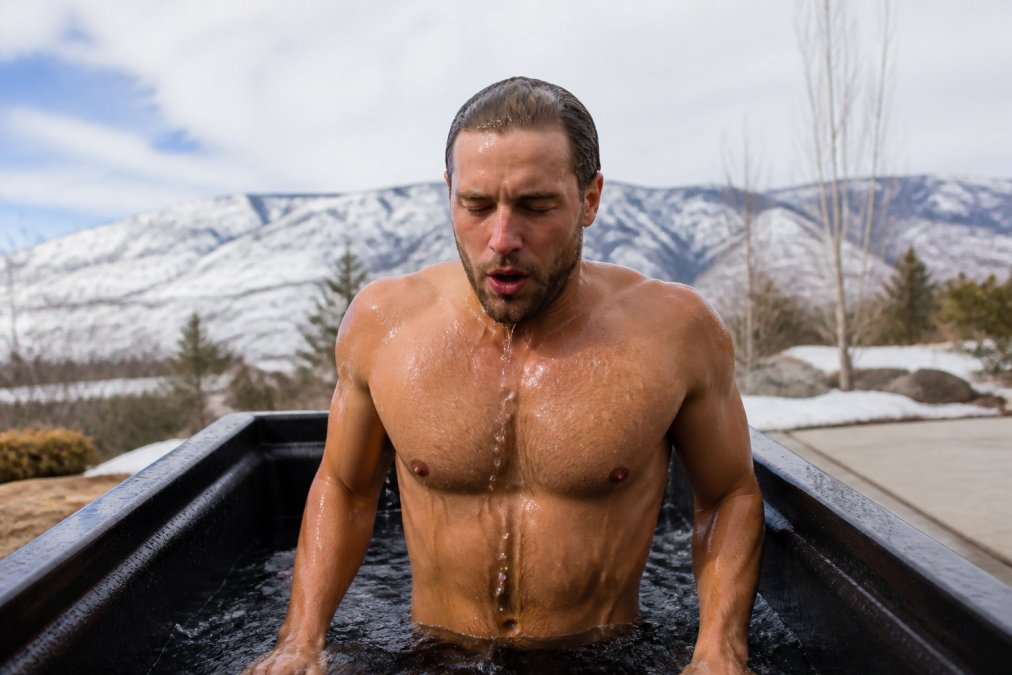
This isn't random stress. The cold exposure triggers the release of norepinephrine, a neurotransmitter that sharpens focus and mood regulation. Your body also activates brown adipose tissue, metabolically active fat that generates heat through thermogenesis. Over time, repeated cold exposure creates acclimatization, where your nervous system becomes more efficient at managing the stress response.
The vagus nerve, a critical component of your parasympathetic nervous system, gets stimulated during cold water immersion. This activation can influence everything from heart rate variability to inflammatory markers. Many people report feeling invigorated after a plunge, though that sensation comes from endorphin release and improved circulation, not necessarily from faster muscle recovery.
Understanding what actually happens during cold plunging is crucial before deciding whether daily cold plunging recovery protocols make sense for your specific goals. The science is real, but the marketing claims often outpace the evidence.
The Recovery Debate: Does Daily Cold Plunging Help or Hurt?
This is where things get complicated. The question isn't whether cold plunging does anything, it clearly does. The question is whether what it does actually supports the recovery outcome you're chasing.
The Case for Recovery Benefits
Cold water immersion reduces systemic inflammation in the short term. According to research on cryotherapy and inflammation management, cold exposure decreases inflammatory markers like interleukin-6 and tumor necrosis factor-alpha for several hours post-immersion. For athletes dealing with acute swelling after intense training, this matters.
Cold plunging also accelerates blood flow recovery. When you exit cold water, vasodilation occurs, blood vessels expand rapidly, flooding muscles with oxygen-rich blood. This hyperemia can reduce delayed onset muscle soreness (DOMS) in the first 24-48 hours, which is why many recovery protocols include cold water immersion immediately after intense exercise.
The parasympathetic activation from vagus nerve stimulation improves heart rate variability, a marker of nervous system resilience. Better HRV correlates with faster subjective recovery and improved sleep quality. For high-stress athletes or busy professionals, this nervous system reset has real value.
The Hypertrophy Blunting Concern
Here's where daily cold plunging gets controversial. Research suggests that cold water immersion may suppress the acute inflammatory response necessary for muscle protein synthesis. Inflammation isn't always the enemy, it's actually part of the adaptation signal that tells your muscles to grow.
When you train hard, you create micro-damage. Your body responds with inflammation, which triggers satellite cells to fuse with muscle fibers and increase their size. Cold plunging dampens this response. If you're doing daily cold plunging recovery sessions, you're potentially blunting the very adaptation signal you worked hard to create in the gym.
The timing matters enormously. Cold plunging immediately post-workout appears more problematic for hypertrophy than cold plunging several hours later or on rest days. A common mistake is treating cold plunging as universally beneficial without considering your training goal. For strength athletes prioritizing muscle growth, the evidence suggests caution with daily protocols.
Optimal Cold Plunge Duration for Your Goals
The ideal duration isn't one-size-fits-all, and most articles gloss over the individual factors that should determine your protocol. Research typically uses 5-15 minute protocols, but that range masks critical variation based on your body composition, training experience, and specific recovery objective.
Duration by Body Composition
Body fat percentage dramatically affects cold tolerance and the safety window for cold exposure. Individuals with higher body fat (25%+ for men, 32%+ for women) have better insulation and can tolerate longer durations at colder temperatures with lower hypothermia risk. Those with lower body fat (under 15% for men, under 22% for women) lose core body heat faster and should use shorter durations or warmer temperatures.
A practical guideline:
- Higher body fat (25%+): 8-12 minutes at 50°F is sustainable and safe
- Moderate body fat (15-25%): 5-8 minutes at 50°F; adjust downward if you have visible shivering after exit
- Lower body fat (under 15%): 3-5 minutes at 50-55°F; prioritize frequency over duration
Your core body temperature is the actual constraint. Once your core drops below 95°F, you've moved from therapeutic cold exposure into genuine cold stress that requires medical attention. For most individuals, this threshold is reached around 10-12 minutes at 40°F or 5-7 minutes at 33°F, but body composition shifts this window significantly.
Duration by Training Goal
For acute inflammation reduction and DOMS management: 5-10 minutes at 50°F or below produces measurable effects on inflammatory markers. Research shows that IL-6 suppression plateaus around the 10-minute mark; going longer doesn't amplify anti-inflammatory benefits.
For nervous system recovery and vagus nerve activation: Shorter durations, 3-5 minutes, still trigger norepinephrine release and parasympathetic tone improvement without creating excessive cardiovascular strain. If your goal is stress management and sleep quality rather than inflammation reduction, you don't need the longer durations.
For circulation enhancement and blood flow recovery: 5-8 minutes optimizes the vasodilation response post-exit. The hyperemic effect (rapid blood vessel expansion when you leave cold water) peaks around 8 minutes and doesn't meaningfully increase beyond that window.
Duration by Training Experience
Your nervous system's familiarity with cold stress matters. Beginners (first 2-4 weeks of cold plunging) should use 2-4 minute durations even if your body composition would otherwise support longer exposure. Your parasympathetic nervous system needs time to adapt to the cold shock response. Jumping to 10-minute protocols as a beginner creates unnecessary cardiovascular strain and increases the risk of panic responses.
Intermediate practitioners (4-12 weeks in) can progress to 5-8 minute durations at their target temperature. Advanced practitioners (3+ months of consistent cold plunging) can safely use 8-12 minute durations if their body composition supports it.
The Duration-Frequency Trade-off
Don't assume longer duration is always better. A 5-minute plunge, 5 times per week, often produces better adaptation and fewer side effects than a 12-minute plunge, 2 times per week. Consistency and nervous system acclimatization matter more than single-session intensity.
For daily cold plunging recovery work, 5-8 minutes hits the practical sweet spot. This duration is long enough to trigger systemic benefits (inflammation reduction, norepinephrine release, vagus nerve activation) without creating excessive parasympathetic activation that could interfere with sleep if done too close to bedtime or chronic suppression of growth signaling if done post-workout.
Temperature-Duration Interaction
Colder temperatures require shorter durations. A 33°F plunge for 5 minutes creates similar physiological stress as a 50°F plunge for 10 minutes. If you're new to cold exposure, prioritize warmer temperatures (50-55°F) with longer durations rather than jumping to extreme cold with short durations. Your body adapts to the stress, not the temperature itself.
Monitor your actual response. If you're shivering uncontrollably 5 minutes after exiting, your duration was too long for your current cold tolerance.
Cold Plunge Safety Guidelines You Need to Know
Cold water immersion isn't risk-free, despite how casually it's discussed on social media. Cardiovascular strain is real. The cold shock response includes an immediate spike in blood pressure and heart rate. For individuals with existing hypertension, arrhythmias, or coronary artery disease, cold plunging carries genuine risk.
Cold Plunge Frequency for Muscle Growth Without Sabotage
If muscle growth is your primary goal, daily cold plunging recovery protocols require strategic timing. The research suggests that cold water immersion more than 4 hours after training doesn't significantly interfere with muscle protein synthesis. This timing window allows the acute inflammatory response to do its job before you dampen it.
Building Your Personal Cold Plunging Protocol
Start by defining your actual goal. Are you prioritizing muscle growth, general recovery and stress management, or athletic performance? Your answer determines everything about how you approach daily cold plunging.
For muscle-building goals, implement this framework:
- Cold plunge on rest days only, or minimum 8 hours post-training
- Duration: 5-8 minutes at 50-55°F
- Frequency: 3 times per week
- Temperature monitoring is essential, use a pool thermometer to verify actual water temperature
For general wellness and nervous system recovery, you have more flexibility:

- Can plunge 4+ hours after training
- Duration: 5-10 minutes at your acclimatized temperature
- Frequency: up to 5 times per week
- Focus on consistency over intensity Establishing these sustainable habits often leads to questions about whether a wellness accessories investment truly enhances the efficacy of your recovery routine.
Frequently Asked Questions
Is it safe to do a cold plunge every day?
Daily cold plunging is possible but not necessary for most people. Cold water immersion triggers significant cardiovascular and nervous system stress. While regular exposure builds acclimatization, daily sessions increase risk of overuse injury, excessive cortisol elevation, and cardiovascular strain. Most research supports 2-4 sessions per week as effective for recovery without the compounding stress of daily practice. If you choose daily cold plunging, keep sessions short (under 3 minutes) and monitor for signs of overtraining.
How long should you stay in a cold plunge for optimal recovery?
For recovery benefits, 2-4 minutes at 50-59°F is the most researched range. Shorter durations (1-2 minutes) still trigger norepinephrine release and systemic inflammation reduction. Longer immersions (beyond 5 minutes) don't significantly increase recovery benefits and raise hypothermia risk. Temperature matters: colder water (33-50°F) requires shorter exposure. Start with 1-2 minutes and gradually extend as your cold shock response improves. Your individual tolerance varies based on age, fitness level, and prior exposure.
Does daily cold plunging interfere with muscle growth?
This is the central debate in 2026 fitness science. Cold water immersion can blunt muscle hypertrophy by suppressing mTOR signaling and reducing inflammation, which muscles need for growth stimulus. However, the effect depends heavily on timing and frequency. Cold plunging immediately after strength training poses the highest risk. Separating cold plunging from resistance work by 6+ hours, or limiting sessions to 2-3 per week, minimizes hypertrophy interference. Athletes prioritizing muscle gain should treat cold plunging as recovery for non-lifting days, not post-workout protocol.
What temperature and frequency work best for home cold plunge recovery?
The Fire Cold Plunge All-In-One cools to 33°F, allowing flexible temperature control. For consistent recovery without hypertrophy blunting, use 2-3 sessions weekly at 50-59°F for 3-4 minutes each. This frequency triggers vagus nerve stimulation, reduces DOMS, and improves parasympathetic nervous system recovery without chronic stress. Adjust based on your goals: endurance athletes tolerate higher frequency; strength athletes should prioritize recovery days only. Monitor your cold shock response, excessive gasping or shivering suggests you're pushing too hard.