

Cold Plunge Alternatives: Budget Options for 2026
Table of Contents
- Why Cold Plunge Tubs Cost So Much
- Best Cold Plunge Alternatives That Fit Your Budget
- Ice-Based vs. Chiller-Based Systems: What's the Real Difference
- DIY Cold Plunge Setup Guide for Beginners
- Cold Plunge Duration for Recovery: How Long Should You Stay In
- Cold Plunge Safety and Health Risks You Need to Know
- Long-Term Cost of Ownership: What You'll Actually Spend
- Space-Saving Cold Plunge Solutions for Smaller Spaces
- Frequently Asked Questions
Last Updated: September 27, 2026
Why Cold Plunge Tubs Cost So Much
Premium cold plunge tubs command high prices because they combine specialized engineering with year-round durability. A full-featured unit with a built-in water chiller, circulation pump, filtration system, and thermal regulation requires industrial-grade components designed to withstand constant exposure to freezing temperatures and chemical treatment.

The real cost drivers are three things: the compressor that maintains water temperature, the insulation that prevents heat loss, and the stainless steel construction that resists corrosion. These aren't luxury add-ons, they're essential to keeping water cold and clean without constant manual ice replacement. A quality chiller alone can run several thousand dollars.
But here's what most people miss: you don't always need all of that. Many homeowners discover that simpler alternatives deliver the same recovery benefits at a fraction of the cost. The cold water immersion itself is what matters for post-workout recovery and inflammation reduction. The delivery method is flexible.
This guide from Spirit of Willow explores budget-friendly cold plunge alternatives that work just as well as expensive systems for most users.
Best Cold Plunge Alternatives That Fit Your Budget
The most practical cold plunge alternatives fall into two categories: systems with built-in chillers and ice-based setups. Your choice depends on how often you'll use it, your available space, and whether you want hands-off convenience or are willing to manage ice manually.
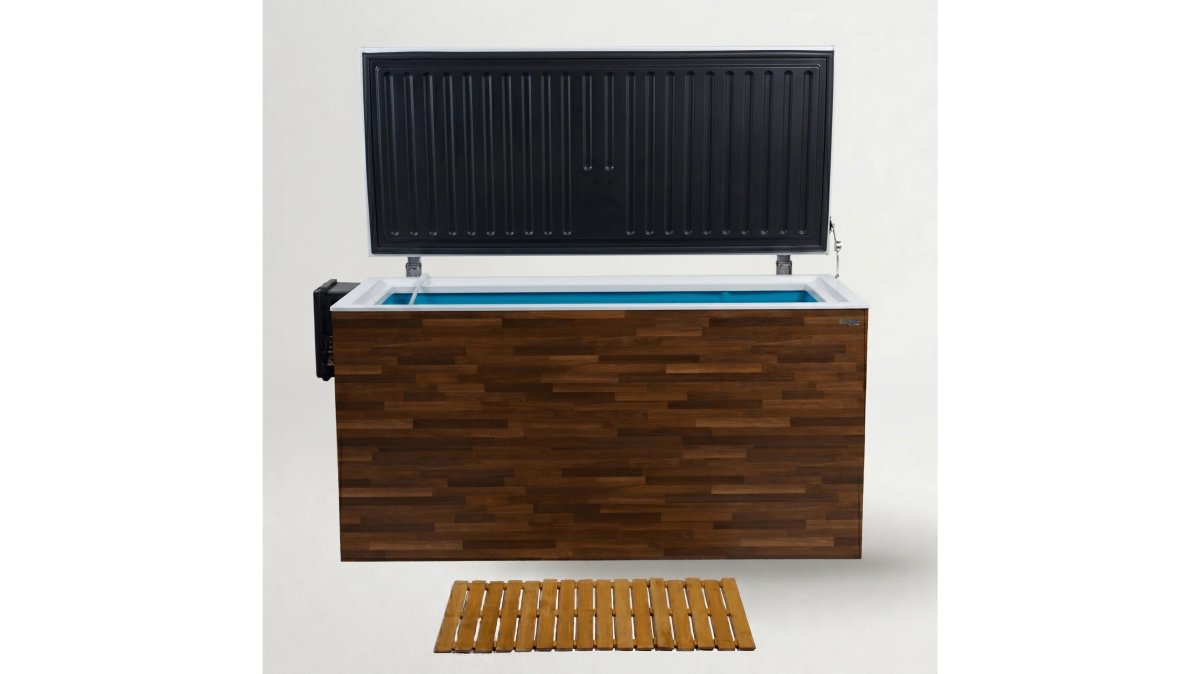
Spirit of Willow's All-In-One Cold Plunge ($4,571.44) represents the best balance of affordability and automation. It cools water to 33°F, includes a built-in compressor, requires no external plumbing, and features chlorine-free ozone disinfection. The unit measures 28 inches wide by 60 inches long by 32 inches high, compact enough for most backyards. It arrives with extra filters, a hose filter, and a syphon vacuum included. The weatherproof UV-resistant coating handles outdoor conditions down to -20°F, and the comprehensive residential warranty covers defects.
For those wanting complete flexibility without electricity requirements, the PEWSHTUB Pine Hot Tub and Ice Bath ($4,081.55) works as both a hot tub and cold plunge. Fill it with cold water and add ice for instant cold water immersion therapy. The 70.9-inch diameter tub holds 422 gallons and accommodates 4-5 people. Pine wood naturally resists rot and decay. Stainless steel components resist corrosion. Assembly takes about one hour. The included cover keeps water clean between uses. Since it requires no electricity, gas, pumps, wiring, or filtration systems, maintenance is genuinely low-effort.

For budget-conscious users, the ice-bath approach using a standard stock tank or large inflatable tub offers the lowest entry point. Add ice from your freezer or purchase bags from a local supplier. This method costs under $500 to start and works perfectly for short cold plunge sessions of 2-5 minutes.
Ice-Based vs. Chiller-Based Systems: What's the Real Difference
The fundamental trade-off is convenience versus cost. Chiller-based systems maintain consistent water temperature automatically. Ice-based systems require manual ice replenishment but cost significantly less upfront.
Chiller systems deliver consistent thermal regulation. Water stays at your target temperature (typically 33-50°F) throughout your session. You don't think about it, just step in. The circulation pump keeps water oxygenated and prevents stagnation. A quality water filtration system removes debris and contaminants. The downside: higher initial investment and ongoing electricity consumption.
Ice-based systems work through simple physics. Ice melts and cools surrounding water. You add more ice as it melts. Sessions typically last 2-5 minutes before water temperature rises noticeably. This is actually ideal for most cold water immersion protocols, research suggests 3-5 minute sessions deliver the recovery benefits people seek. The advantage is obvious: no power required, no complex maintenance, lower cost. The trade-off is manual effort and shorter usable window before water warms.
For apartment dwellers or renters, ice-based setups solve the space problem entirely. A 100-gallon inflatable tub fits on a small patio. Drain it when not in use. No permanent installation required.
| Factor | Ice-Based | Chiller-Based |
|---|---|---|
| Initial Cost | Under $500 | $4,000-$5,000+ |
| Setup Time | 15 minutes | 1-2 hours |
| Maintenance | Add ice weekly | Filter changes quarterly |
| Water Temperature | 33-50°F (fluctuates) | 33-40°F (consistent) |
| Electricity Required | No | Yes |
| Session Duration | 2-5 minutes optimal | 10-20 minutes possible |
| Best For | Budget-conscious, renters | Frequent users, consistency seekers |
DIY Cold Plunge Setup Guide for Beginners
Building a functional cold plunge setup at home takes less time than most people think. A DIY approach works well for testing whether cold water immersion actually fits your routine before investing in premium equipment.
Step 1: Choose Your Container (15 minutes) Start with what you have or can easily obtain. A 100-150 gallon stock tank works perfectly. These are designed for livestock watering, cost $100-$200, and handle repeated freezing cycles. Alternatively, purchase an inflatable hot tub designed for cold use (around $150-$300). Both options allow drainage and collapse for storage.
Step 2: Prepare the Space (20 minutes) Select a level outdoor area with good drainage. If using a stock tank, place it on level ground. Line the area with gravel or sand to ensure water drains properly when you empty it. Position it near an outdoor outlet if you plan to add a circulation pump later.
Step 3: Fill and Cool (varies) Fill your container with water. For fastest cooling, add ice immediately. Most people use a combination: fill halfway with cold tap water, then add 20-30 pounds of ice. This brings water to target temperature (33-45°F) within 30 minutes. You can also let tap water cool overnight in cold climates.
Step 4: Add Basic Monitoring (optional, 10 minutes) Track water temperature with a floating pool thermometer. Spirit of Willow offers wireless options like the 2.4G Wifi Pool Thermometer ($34.94) or the IPX8 Pool Thermometer ($35.55). Both track temperature remotely and alert you when conditions drift outside your comfort range.

Step 5: Establish Water Hygiene (5 minutes) For ice-based setups used 1-2 times weekly, simply drain and refill before each session. For more frequent use, add a basic skimmer net to remove debris. If you want to reuse water across multiple days, add a small amount of chlorine or use ozone-based sanitization tablets.
Total Setup Time: 50 minutes. Total Cost: $200-$400.
This DIY approach works best for people who want to experience cold water immersion without financial commitment. Many users discover they prefer 2-3 minute cold sessions (achievable with ice) over longer sessions, making expensive chillers unnecessary.
Cold Plunge Duration for Recovery: How Long Should You Stay In
The ideal duration for cold water immersion is 2-5 minutes for most recovery purposes. This timeframe triggers the physiological responses people seek, increased circulation, reduced inflammation markers, and improved mental resilience, without excessive stress on the cardiovascular system.
For beginners, 90 seconds to 2 minutes is the right starting point. Your nervous system adapts within a few sessions, and you can extend to 3-5 minutes comfortably.
The timing also depends on water temperature.
Cold Plunge Safety and Health Risks You Need to Know
Cold water immersion is generally safe for healthy adults when done correctly. However, several real risks exist if you ignore basic precautions.
Long-Term Cost of Ownership: What You'll Actually Spend
The initial purchase price tells only half the story. Chiller-based systems have ongoing costs that add up over years.
Total 5-year cost for an ice-based system: $500-$1,200.
Space-Saving Cold Plunge Solutions for Smaller Spaces
Apartment dwellers and homeowners with compact patios have real options. You don't need a sprawling backyard to access cold water immersion.
Frequently Asked Questions
What is the best cold plunge alternative for the money?
The Fire Cold Plunge All-In-One at $4,571.44 offers the best value among alternatives because it includes a built-in compressor, cools to 33°F, requires no external plumbing, and comes with ozone disinfection. It eliminates expensive installation costs and external chiller expenses that can add thousands to the total price. For budget-conscious buyers, a wood-fired option like the PEWSHTUB at $4,081.55 avoids electricity costs entirely, though it requires manual ice management for cold plunge therapy.
Can you get the same benefits from a DIY cold plunge setup?
Yes, DIY cold plunge setups can deliver similar cold water immersion benefits, though consistency requires more effort. A basic setup using a stock tank, ice, and water filtration can provide cold water immersion. However, DIY systems demand regular water chemistry management, manual ice replenishment, and lack the circulation pumps and sanitation systems that commercial cold plunges offer. Most users find DIY setups work for occasional use but become labor-intensive for regular practice.
What safety precautions should I take with cold plunge alternatives?
Cold water immersion carries real health risks. Start with shorter cold plunge duration, 30 seconds to 2 minutes, and gradually build tolerance. Never exceed 10 minutes in water below 50°F. People with cardiovascular conditions, high blood pressure, or pregnancy should consult a doctor first. Maintain water temperature monitoring using a reliable thermometer, ensure proper drainage systems, and never plunge alone. Stop immediately if you experience chest pain, severe shivering, or confusion.
How long should you stay in a cold plunge for recovery benefits?
Beginners should start at 1 to 2 minutes and gradually extend duration over weeks. Sessions longer than 10 minutes increase risk of hypothermia. Frequency matters more than duration, 3 to 4 sessions weekly shows better results than occasional longer sessions.
What makes inflatable cold plunges different from hard-shell alternatives?
Inflatable cold plunges cost significantly less upfront (typically $500-$2,000) and require minimal installation, making them ideal for renters or small spaces. They offer portability and easy storage. Hard-shell alternatives like the Fire Cold Plunge All-In-One provide superior insulation, weather resistance down to -20°F, and built-in cooling systems that inflatable options cannot match.
Finding the right cold plunge alternative depends on your budget, available space, and commitment level. Whether you choose a full-featured system with built-in cooling or start with an ice-based setup, the cold water immersion itself delivers the recovery benefits. Spirit of Willow's curated collection of cold plunge alternatives helps homeowners build wellness spaces that match their lifestyle and budget. Start exploring options that fit your needs today.